
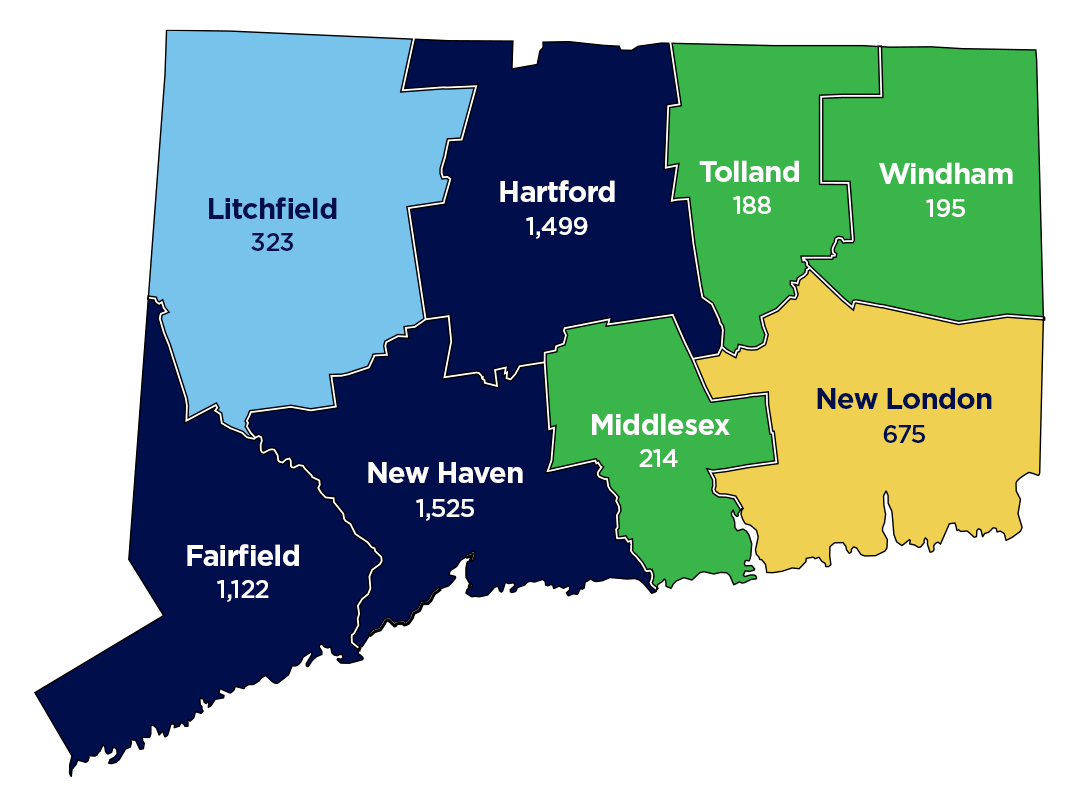
GPCT Meets Critical Needs Across Connecticut
For thousands of Connecticut households, energy assistance is about more than paying a utility bill or filling a fuel tank—it’s about security, stability, and peace of mind. During Fiscal Year 2026 (July 1, 2025 – June 30, 2026), our Emergency Energy Assistance Program helped families, older adults, veterans, and individuals with disabilities stay warm, keep their lights on, and avoid energy crises when they needed support most.
This year, GPCT provided assistance to 5,741 households, serving a total of 13,111 individuals. We distributed more than $2.72 million in emergency energy grants.
Energy emergencies take many forms. Some households faced a utility shutoff notice, while others were running critically low on heating fuel as the temperature dropped dangerously. For some, the crisis had already happened, and service was disconnected or fuel supplies exhausted.
Our program data shows:
- 52% of households assisted were not yet shutoff or out of fuel but needed help to prevent a crisis.
- 38% were facing an imminent shutoff or had less than one-quarter tank of fuel remaining.
- 10% already had services shut off or were completely out of fuel.
These numbers illustrate the program’s dual mission: responding to emergencies and preventing them before they occur.
Supporting Vulnerable Households
Many of the households that turned to our program were among the state’s most vulnerable residents. Across the fiscal year:
- 46% of assisted households included a vulnerable aged member (younger than 6 or older than 65).
- 25% included a person with a disability
- 3% included a veteran
For these households, reliable energy is not simply a convenience—it is often essential for health, safety, and independence. GPCT believes that no one should ever be forced to make the difficult choice between paying an energy bill or accessing another basic need.
Assistance Across All Energy Types
The Emergency Energy Assistance program provides help regardless of how a household heats or powers the home.
Energy Insecurity and Demand for Aid Continue to Grow
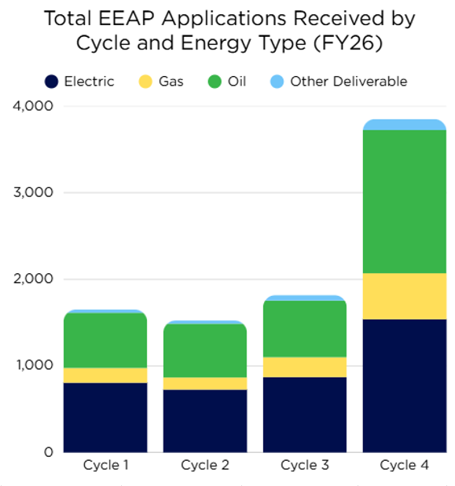
Need remained strong throughout the year, but surged during the fourth cycle, which accounted for 3,852 applications, compared with 1,651; 1,525; and 1,818 applications in the first three cycles. This surge highlights the continued financial pressure many households face when managing energy costs, particularly during the colder months.
Unfortunately, throughout the year, GPCT was forced to deny more than 800 applications due to a lack of funding.
A Special Thank You to Our Donors
A heartfelt thank you to the generous donors who supported GPCT’s Emergency Utility Assistance Fund campaign this April. Thanks to your compassion and commitment, we raised more than $30,000 to help address the increased demand for assistance during Cycle 4.
The need for emergency energy assistance continues to outpace available resources. While funding limitations meant that we could not approve every eligible request, your support allowed us to extend assistance to more families facing the difficult choice between keeping the lights on, staying warm, and meeting other basic needs.
Your generosity helped provide critical relief when it was needed most—and every dollar truly made a difference.
To learn more about supporting GPCT’s work and helping ensure access to heat, power, and water for vulnerable households across Connecticut, visit gpct.org/give.
More Than Numbers
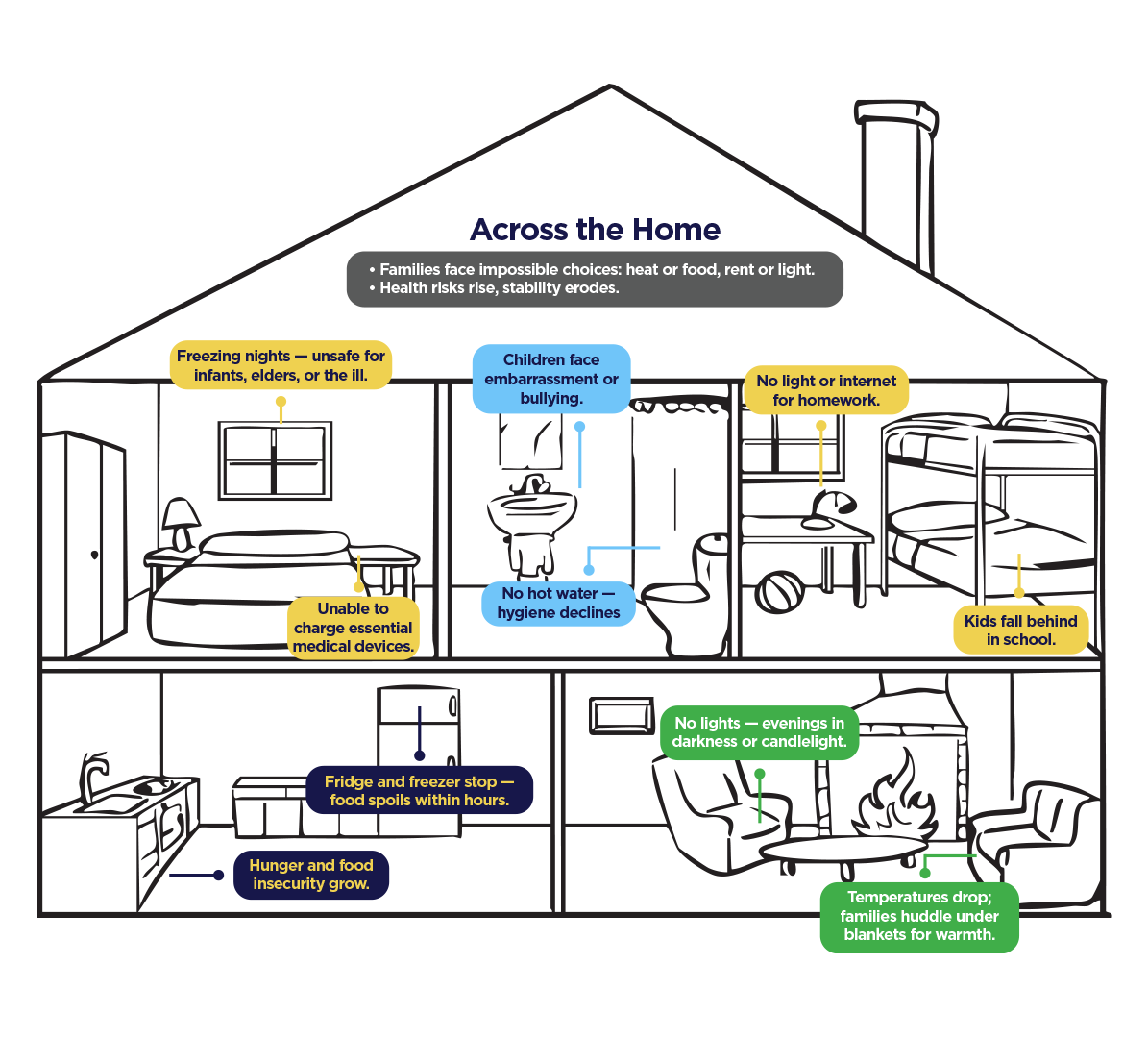
Behind every application is a household trying to stay safe and stable. Some families were working to prevent a shutoff notice from becoming a service interruption. Older adults living alone needed fuel deliveries before their tanks ran dry. Individuals with disabilities relied on uninterrupted power to maintain their health and independence. When the lights stayed on, children could complete homework and focus on their education instead of being left behind in the dark.
By helping 13,111 people maintain access to heat and electricity, the Emergency Energy Assistance Program provided more than financial support—it delivered dignity, security, and relief during times of hardship.
As energy costs continue to challenge household budgets, the impact of this work remains clear: thousands of Connecticut residents were able to keep their homes safe and livable because help was available when they needed it most.